What are the common types of stamps, and how do they differ?
U.S. postage stamps are primarily categorized based on their intended use, postage class, and issuance theme. Common types include:
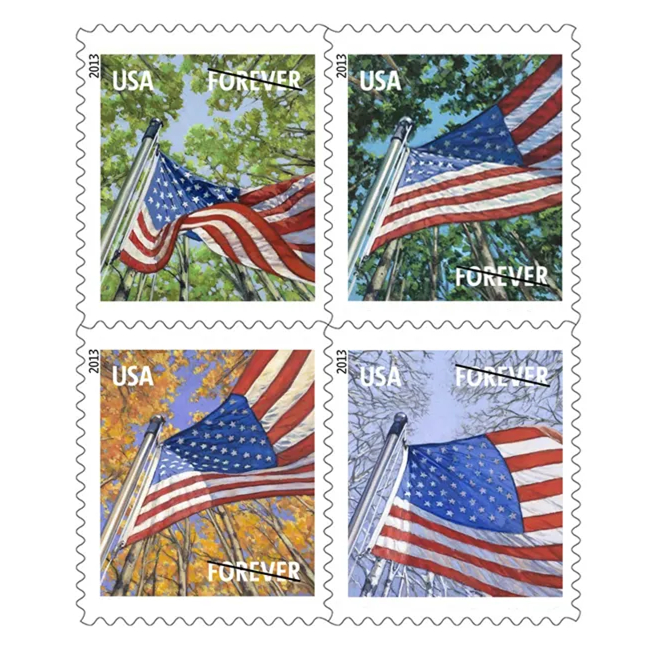
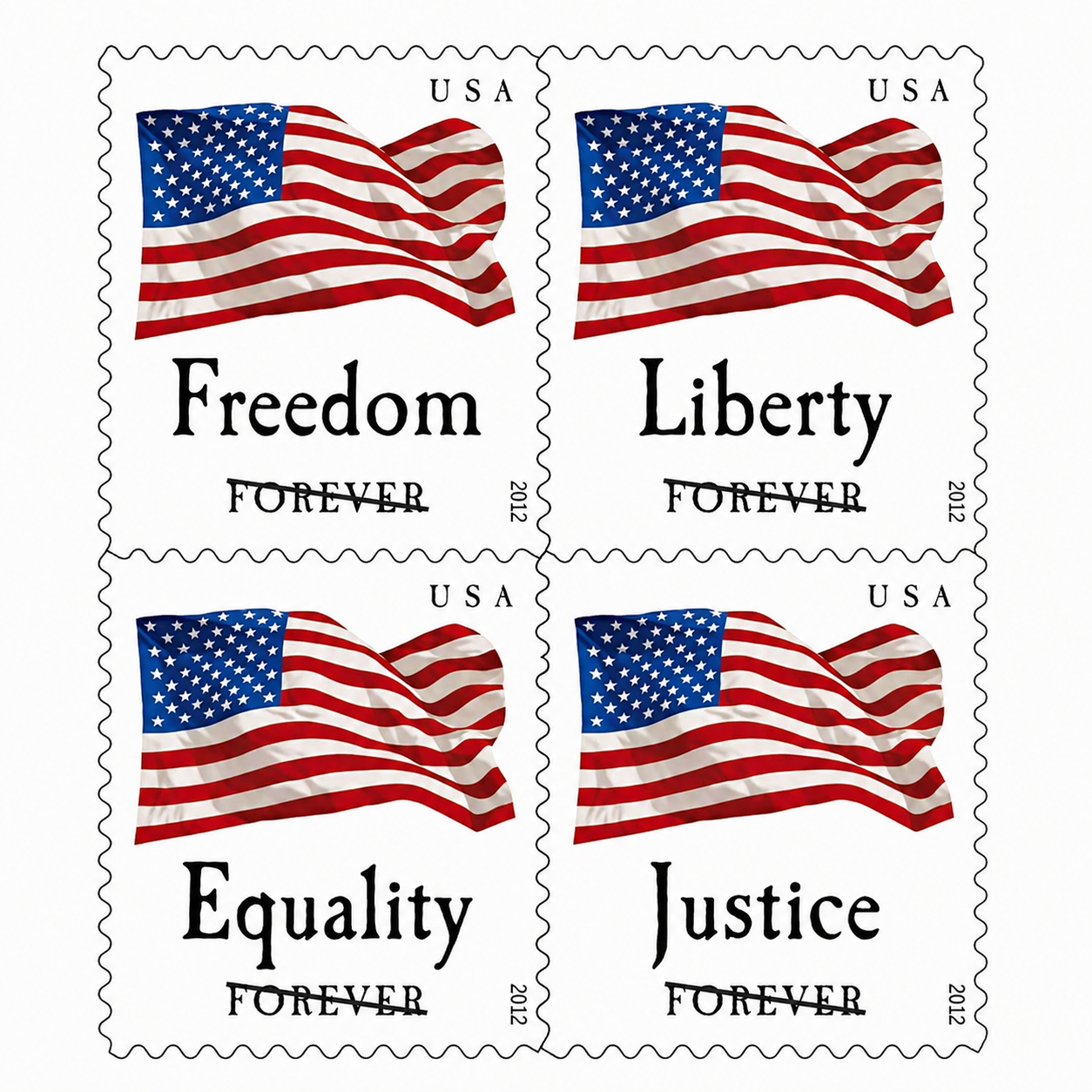
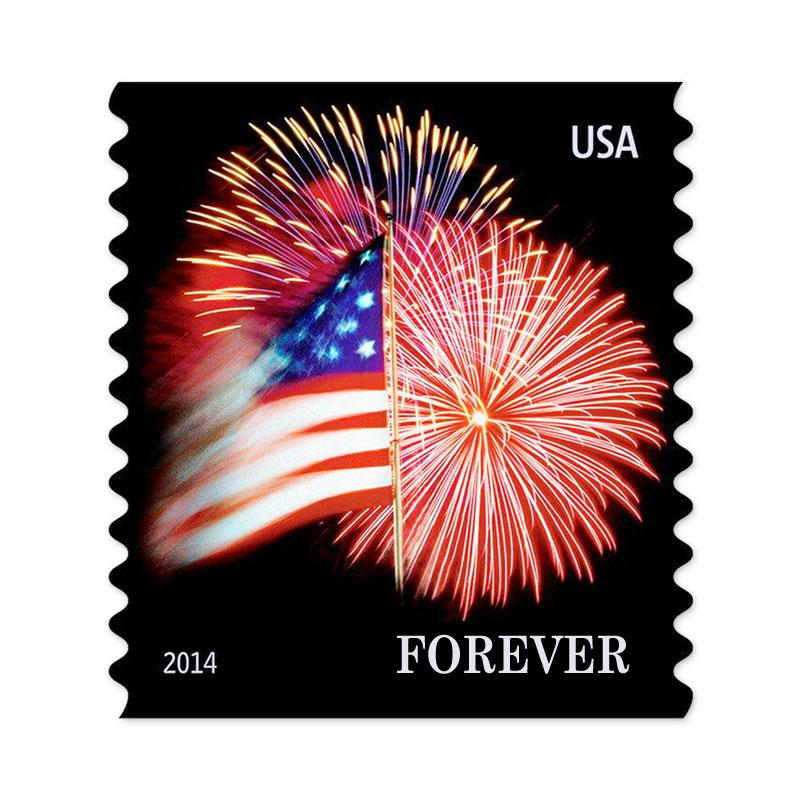
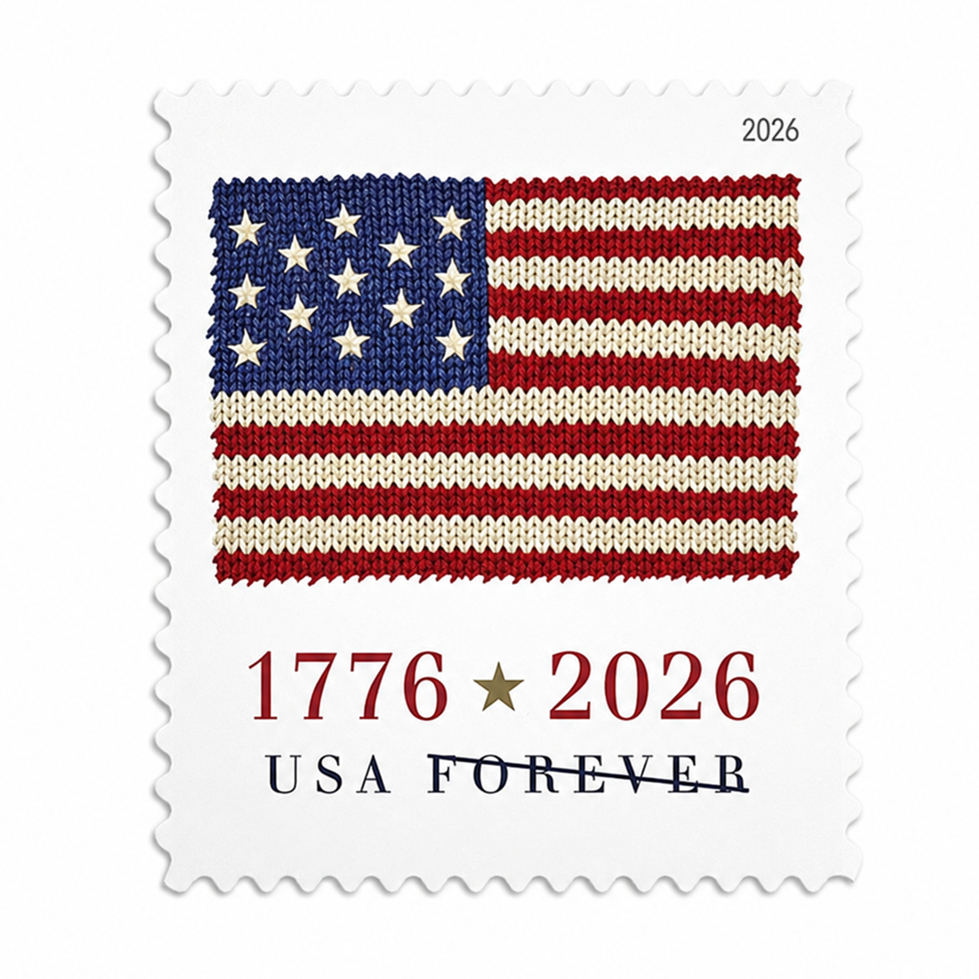
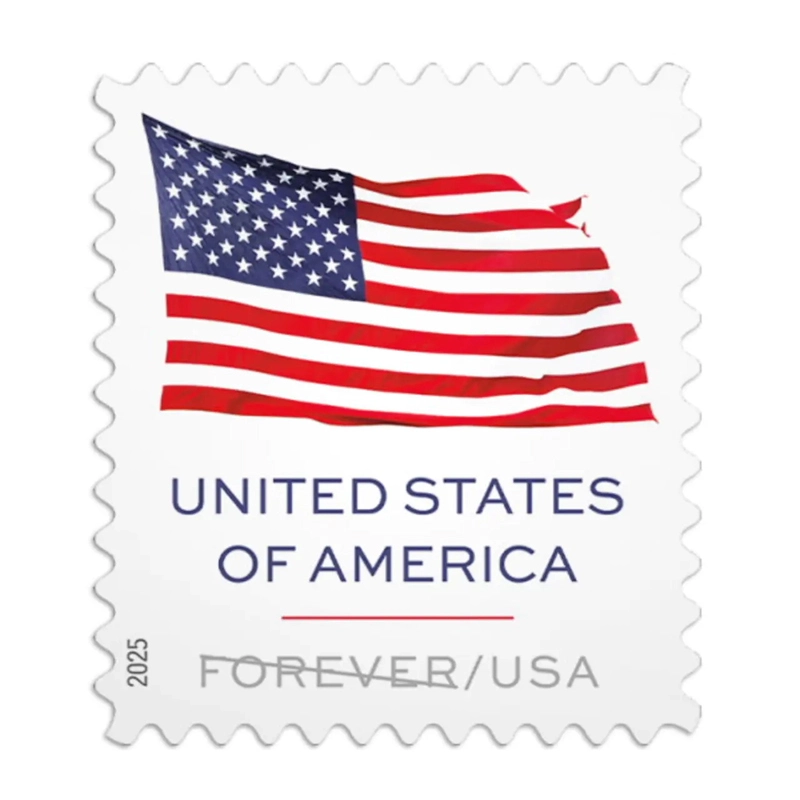
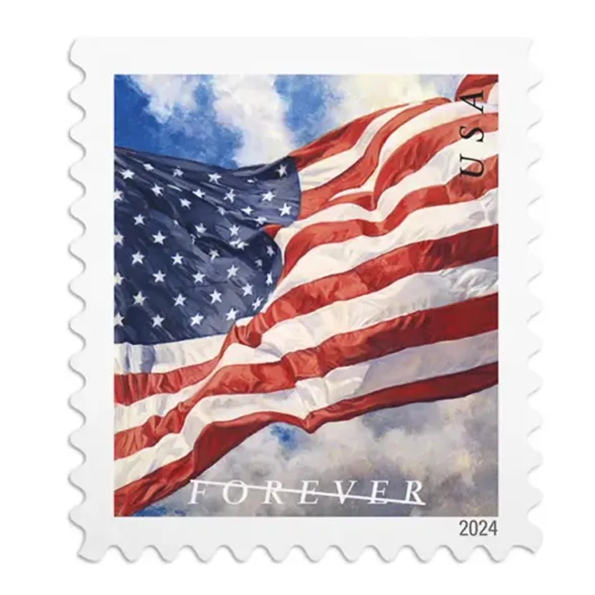
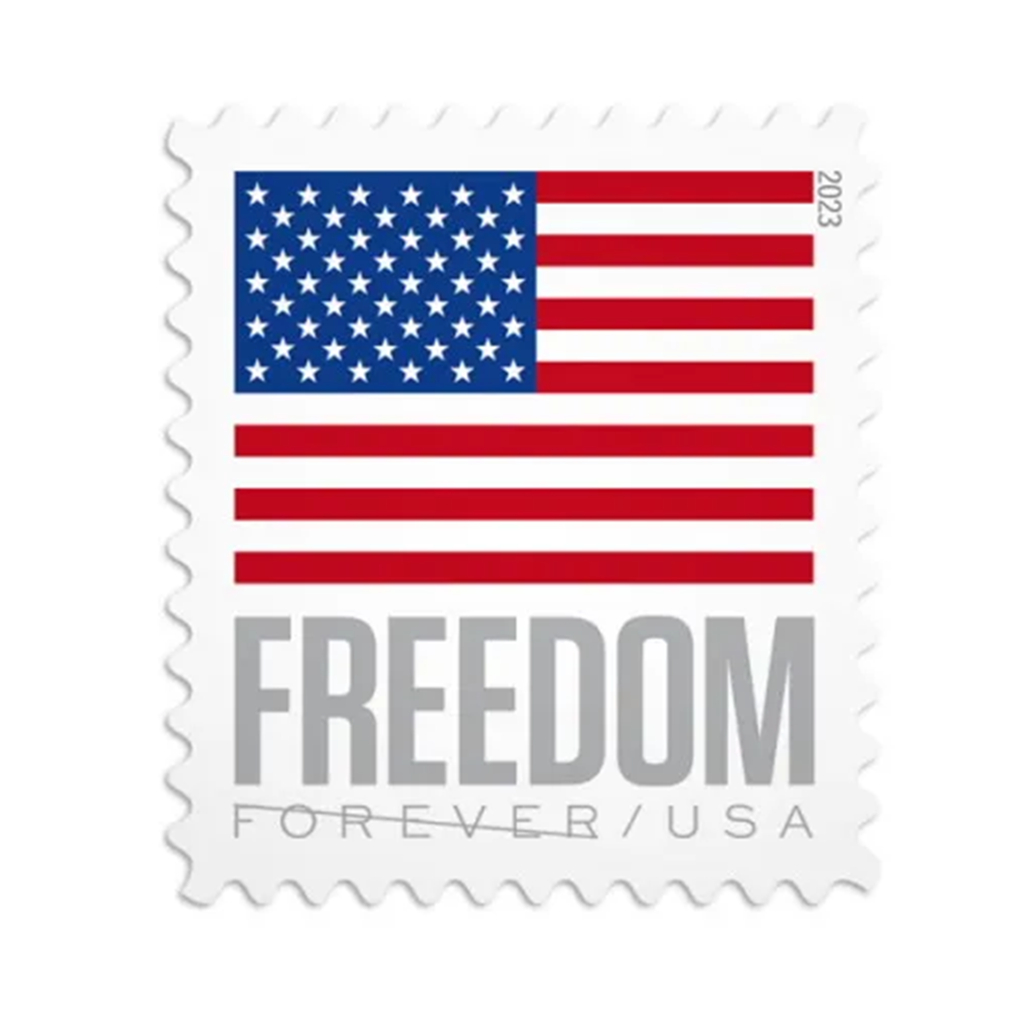
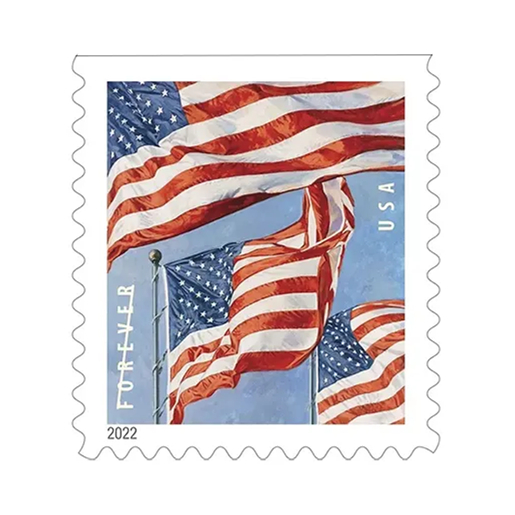
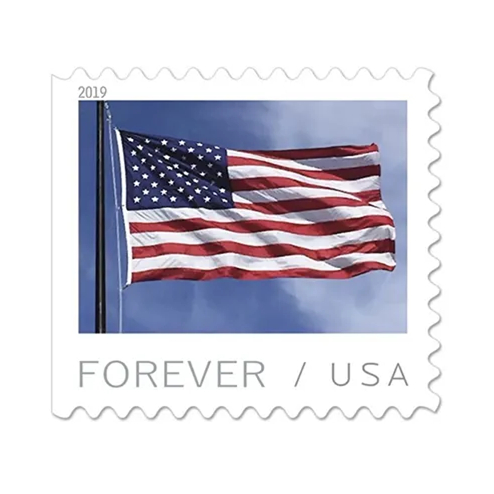
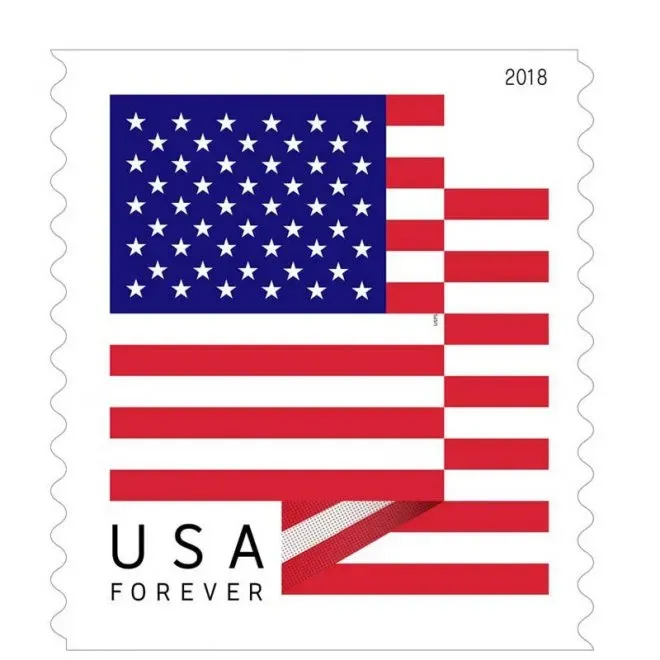
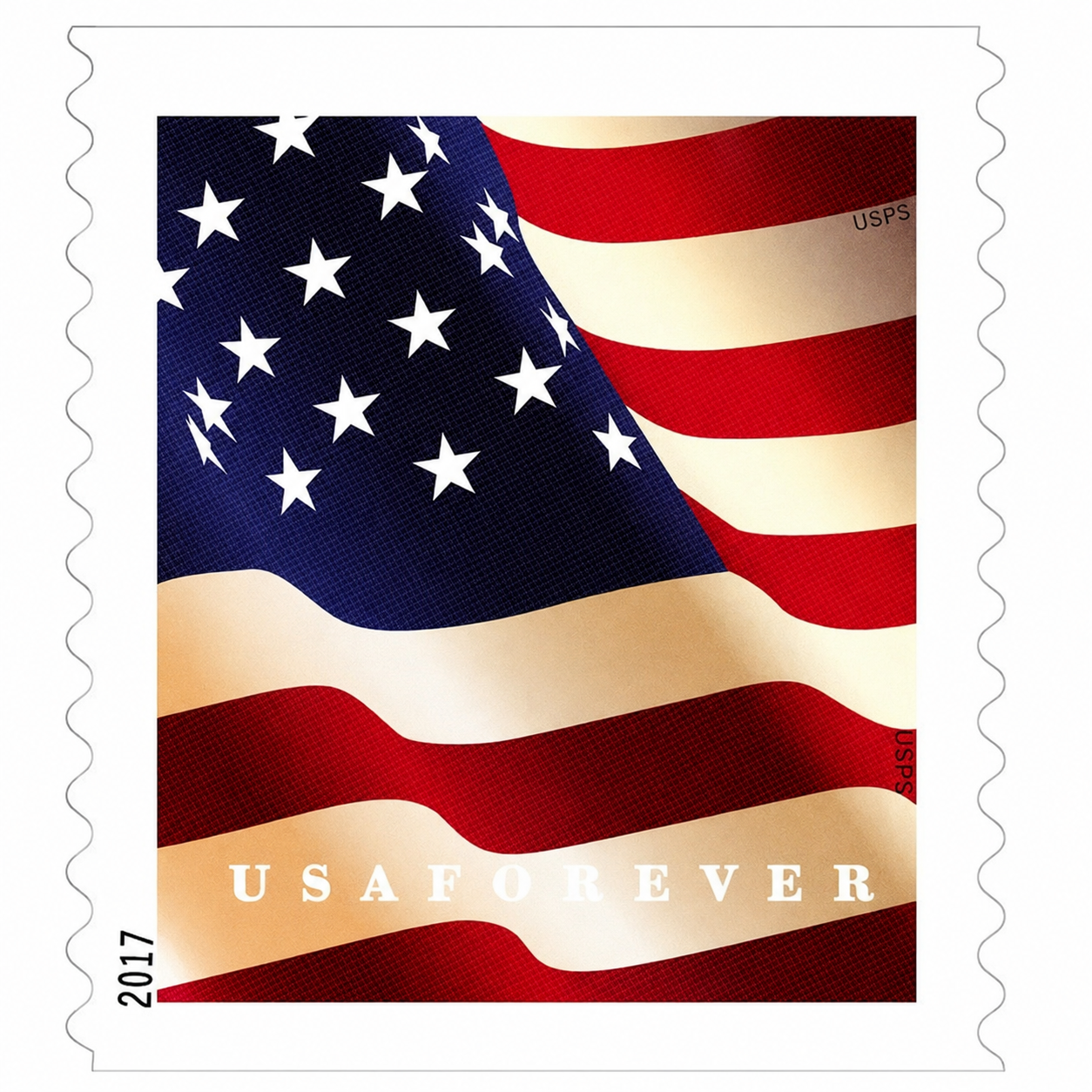
- Forever Stamp: Valid for standard domestic letters within the U.S. These stamps typically do not bear a fixed face value; they remain valid for mailing a standard one-ounce letter at the current rate, even if postage prices increase in the future.
- Global Forever Stamp: Primarily used for standard international letters or postcards sent from the U.S. to other countries. The main difference between this and a standard Forever Stamp lies in its scope of use and postage value.
- Postcard Stamp: Designed specifically for domestic postcards that meet USPS size standards; the postage rate is typically lower than that for standard letters.
- Additional Ounce Stamp: Used to cover the cost of weight exceeding the first ounce; these are usually used in conjunction with a Forever Stamp or other stamps.
- Two-Ounce and Three-Ounce Stamps: Suitable for heavier letters, greeting cards, wedding invitations, or multi-page documents, eliminating the need to combine multiple stamps to cover the required postage.
- Fixed-Value Stamps: These stamps display a specific monetary value (e.g., 1¢, 5¢, or other amounts) and are primarily used to make up postage differences or in combination with other stamps.
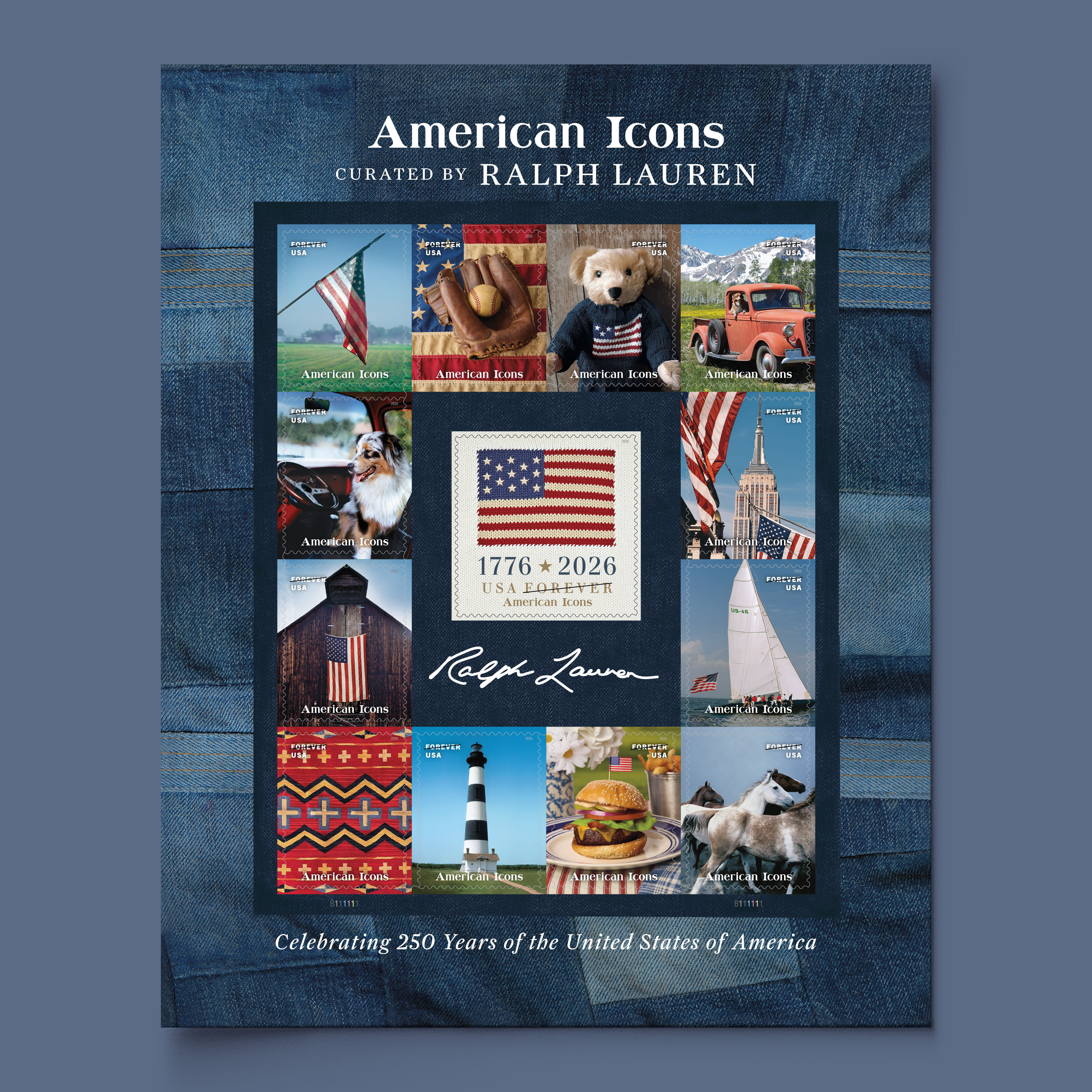
- Commemorative and Thematic Stamps: Typically issued to mark historical events, cultural or artistic themes, holidays, notable figures, animals, or natural landscapes. While suitable for regular mail, these stamps are also popular among collectors due to their unique designs and limited release periods.
It is important to note that a stamp's theme and its postage class can overlap; for example, a holiday-themed stamp might also be a Forever Stamp. When purchasing, check for markings such as FOREVER, GLOBAL, POSTCARD, ADDITIONAL OUNCE, or a specific face value to confirm the stamp's intended use.