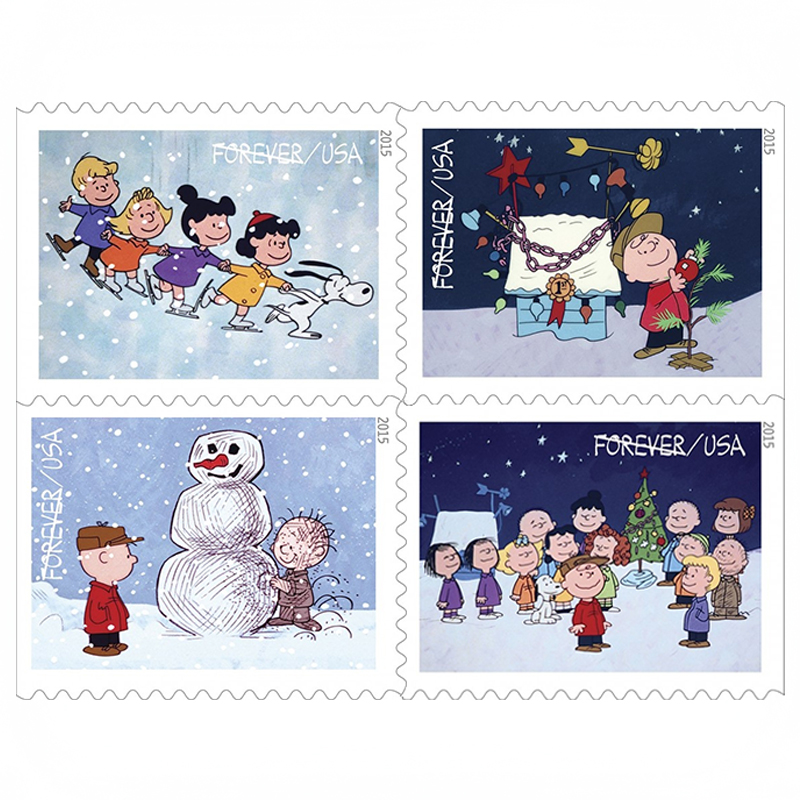
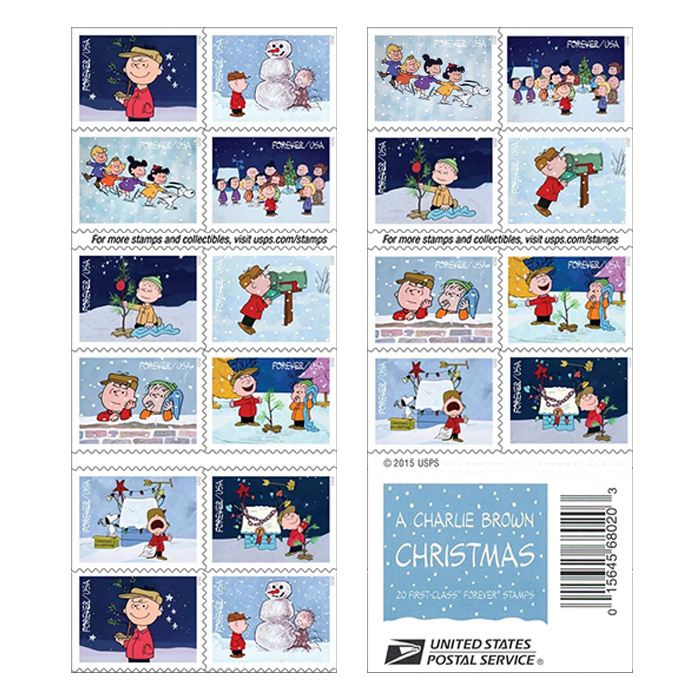
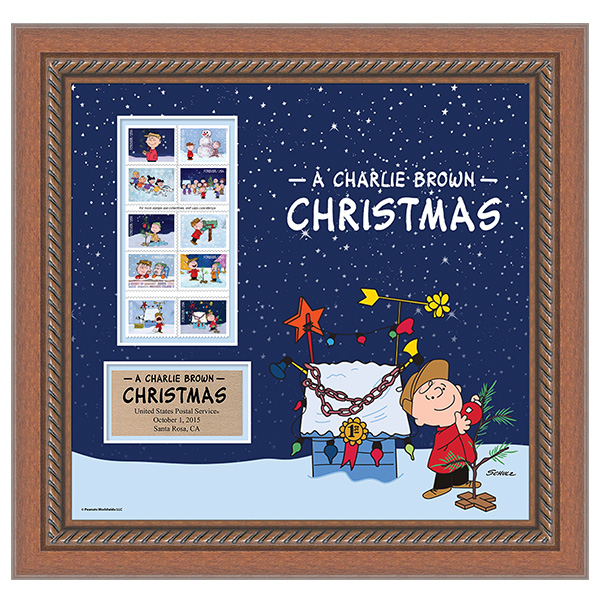
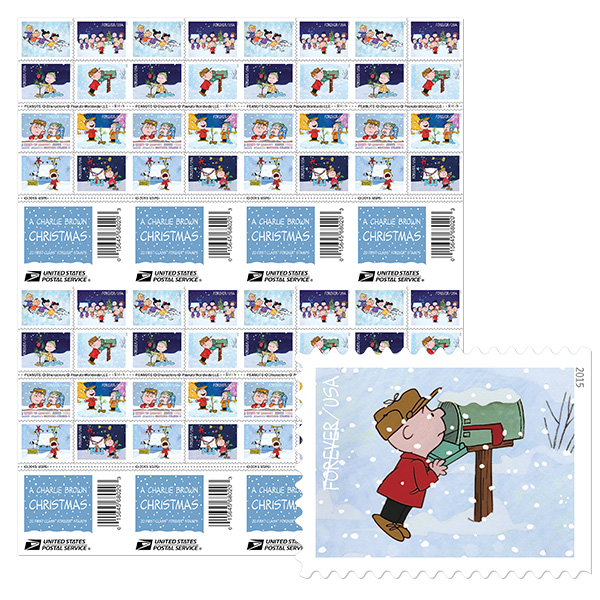
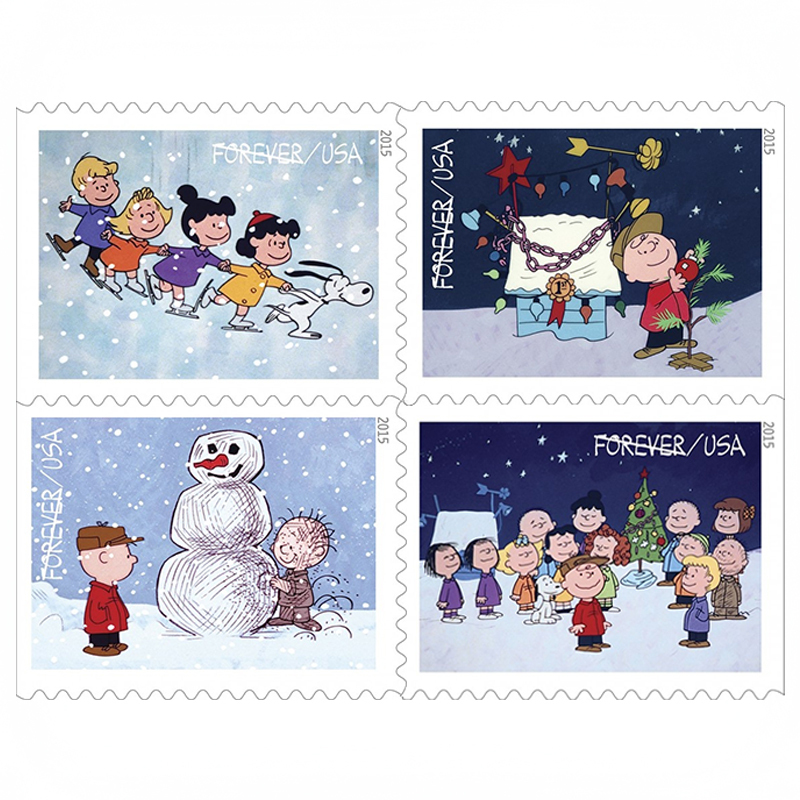
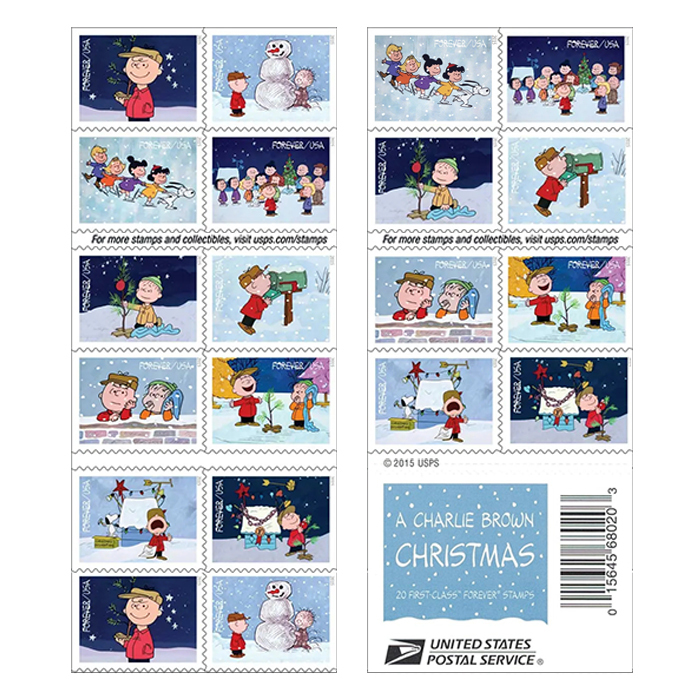
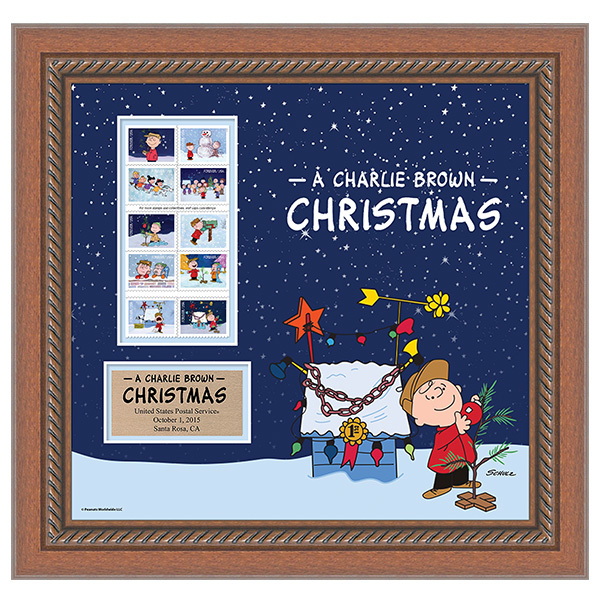
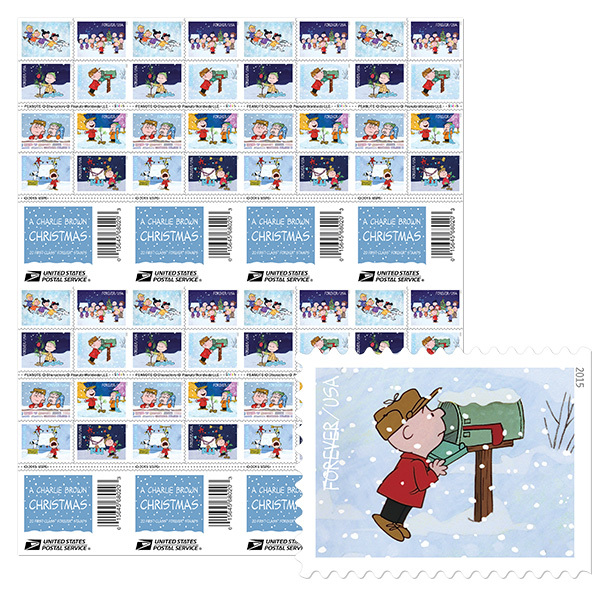
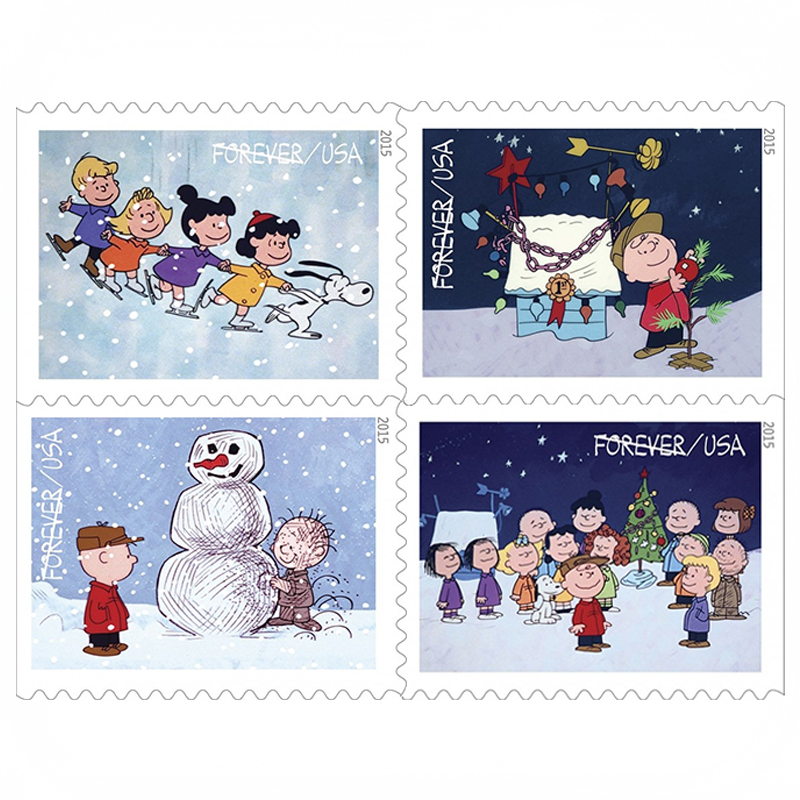
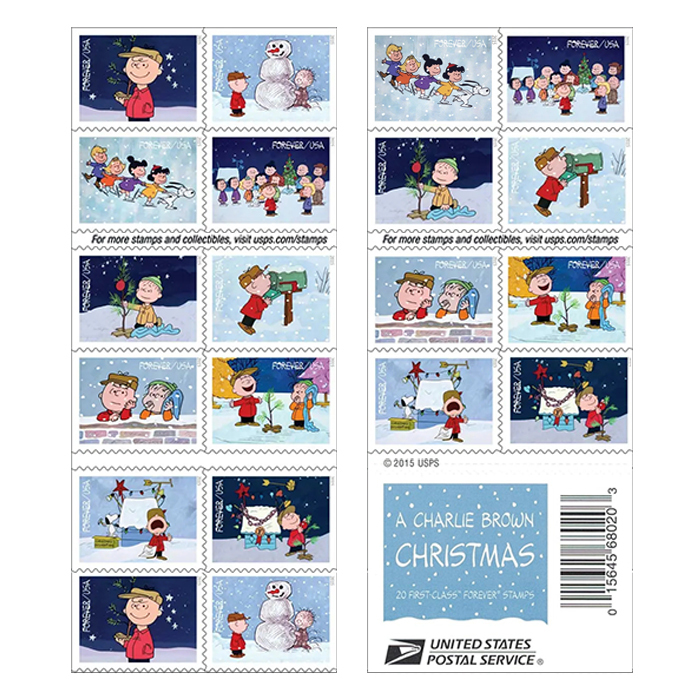
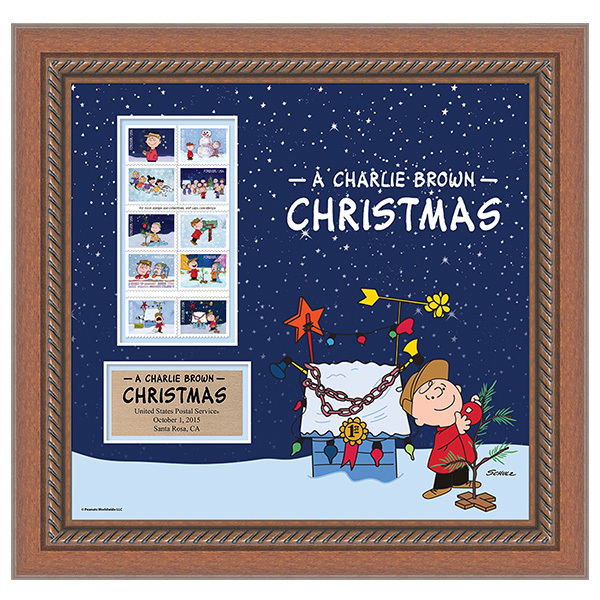
2015 Charlie Brown Christmas Forever Stamps

2015 Imperforate A Charlie Brown Christmas
Contemporary Christmas
Debut Of A Charlie Brown Christmas
On December 9, 1965, A Charlie Brown Christmas first aired on television.
Peanuts creator Charles Schulz had his first cartoon series published at the age of 25. Entitled Li’l Folks, it featured a character named Charlie Brown. When the syndicate opted not to renew the strip, Schulz developed a new one, named Peanuts, which debuted on October 2, 1950, in seven newspapers.
Schulz’ comic strip Peanuts had become a worldwide phenomenon by the mid-60s. After the Peanuts gang was pictured on the cover of Time Magazine, Coca-Cola commissioned a Christmas special starring the characters.
A Charlie Brown Christmas was written and animated in just six months. The script was simple, sparse, and heavily influenced by Schulz’ background. Deeply religious, he wanted to focus on what he believed the “true meaning of Christmas” to be. Schulz then added secular themes taken from his Minnesota childhood, including a school play, falling snow, and ice-skating.
Professional child actors were only used for the voices of Charlie Brown and Linus. Schulz convinced the producers to use regular children for the remaining characters. Studio employees took tape recorders home and had their children audition for the part. Gibberish was recorded for Snoopy and sped up to make his unique sound. Schulz also resisted the use of a laugh track, which was widely used during the ‘60s.
Television producer Lee Mendelson was the driving force behind A Charlie Brown Christmas. Composer and conductor Vince Guaraldi provided jazzy original songs, resulting in a fresh, up-tempo holiday sound unlike any before it.
Mendelson was a 32-year-old documentary maker whose first work was about Willie Mays. Seeing a Peanuts comic strip about Charlie Brown’s baseball team, he decided he had “done the world’s greatest baseball player, now he should do the world’s worst…” Charles Schulz agreed, beginning a 30-year collaboration that resulted in over 40 animated Peanuts specials.
As he began production on A Charlie Brown Christmas, Mendelson approached Guaraldi to arrange the soundtrack. Guaraldi wrote “Linus and Lucy” and “Christmas Time Is Here” for the special. A choir of children, some chosen because they were slightly off-key, was selected to record the songs. Sessions ran late into the night and ended with rewards of ice cream.
The soundtrack, described as being filled with “small, observant miracles,” is a piano-based jazz score which was unheard of in programming for children. Combining an upbeat tempo with the loveable Peanuts characters introduced jazz music to an entire generation. Its charm has made it the tenth best-selling holiday album in history.
Work on A Charlie Brown Christmas was completed just 10 days before its scheduled premiere. Executives previewing the special thought it was terrible, one claiming, “My golly, we’ve killed it.” But one animator deemed it “the best special… this show is going to run for a hundred years.”
A Charlie Brown Christmas premiered on December 9, 1965, at 7:30 p.m. It was watched by some 45 percent of the viewing audience that night – an estimated 15,490,000 homes. It was the number two show in the ratings that night, after Bonanza. In spite of the executives’ fears, it was very well received by viewers and critics alike. It was described as “delightfully novel and amusing” and “fascinating and haunting.” Another critic accurately predicted that “the Peanuts characters last night staked out a claim to a major television future.”
Fresh and innovative, A Charlie Brown Christmas featured a number of entertainment “firsts.” Together with its creator, the animated musical special also influenced the television industry, ushering in a host of changes.
A Charlie Brown Christmas was the first to use children to voice animated characters. It also established the half-hour animated special as a holiday tradition, inspiring other classics like Frosty the Snowman and How the Grinch Stole Christmas.
A Charlie Brown Christmas was also groundbreaking in its biblical references. When executives tried to talk Schulz out of them, he replied, “If we don’t do it, who will?” As it turned out, Linus’ recitation from the Gospel of Luke is considered one of the most powerful moments in the film.
A Charlie Brown Christmas went on to earn an Emmy and a Peabody Award and has become a holiday tradition for millions of Americans.

Frequently Asked Questions
How it works?
A Forever® stamp is for sending domestic mail weighing up to 1 oz via First-Class Mail®.
Purpose: Send letters and cards up to 1 oz (approximately 4 sheets of regular, 8-1/2" x 11" paper in a rectangular envelope)
within the U.S., including U.S. territories and military bases overseas.
Value: Always valid for the First-Class Mail 1 oz rate, even if postage rates increase. Visit First-Class Mail and Postage to view
current rates.
Other Uses: Pair this stamp’s value with other postage to meet mailing costs when additional postage is required.
Use the Retail Postage Calculator to determine the exact cost of your mail.
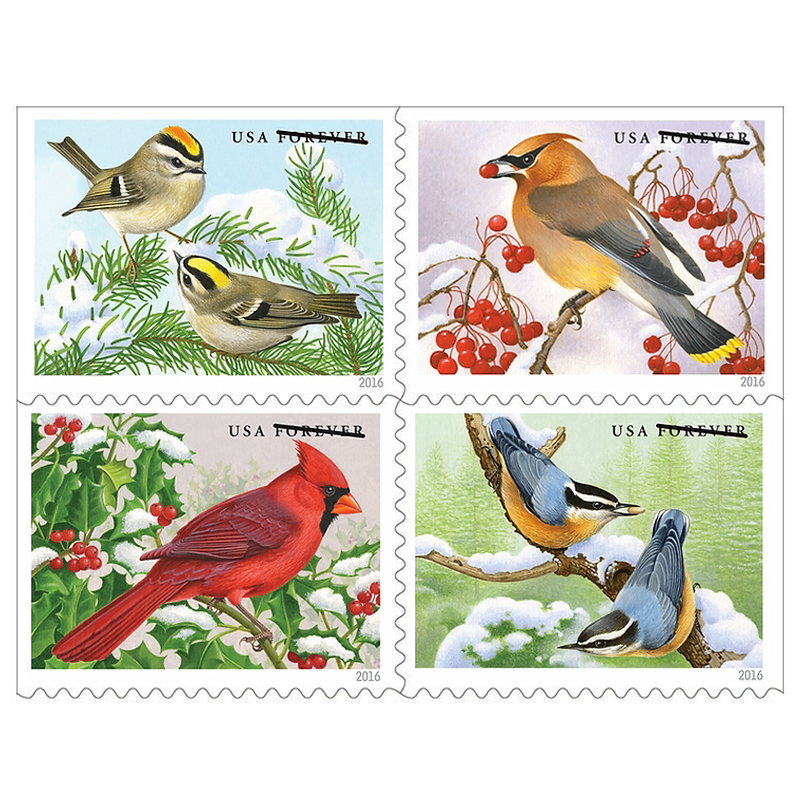
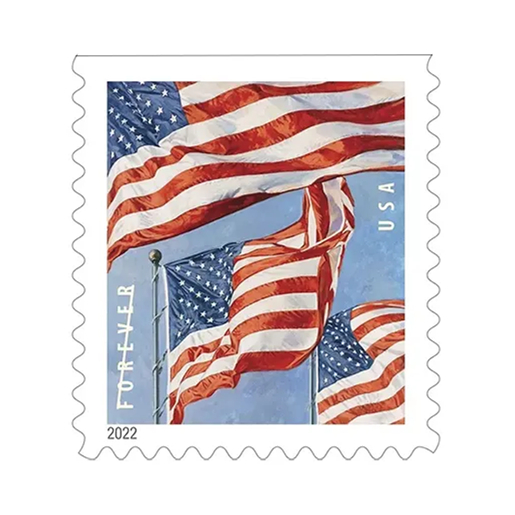
Why is "FOREVER" crossed out in the image?
So the lines in your picture:
- It does not mean that the stamp has expired;
- It does not mean that you cannot continue to use it;
- Nor a postmark;
- It's just an artificial anti-copying line added to the display image.
Note: If the physical stamp you receive actually has this crossed line printed on it, be cautious. It may be a display sample, a replica or a fake stamp, rather than a normal usable stamp.
What are the common types of stamps, and how do they differ?
- Forever Stamp: Valid for standard domestic letters within the U.S. These stamps typically do not bear a fixed face value; they remain valid for mailing a standard one-ounce letter at the current rate, even if postage prices increase in the future.
- Global Forever Stamp: Primarily used for standard international letters or postcards sent from the U.S. to other countries. The main difference between this and a standard Forever Stamp lies in its scope of use and postage value.
- Postcard Stamp: Designed specifically for domestic postcards that meet USPS size standards; the postage rate is typically lower than that for standard letters.
- Additional Ounce Stamp: Used to cover the cost of weight exceeding the first ounce; these are usually used in conjunction with a Forever Stamp or other stamps.
- Two-Ounce and Three-Ounce Stamps: Suitable for heavier letters, greeting cards, wedding invitations, or multi-page documents, eliminating the need to combine multiple stamps to cover the required postage.
- Fixed-Value Stamps: These stamps display a specific monetary value (e.g., 1¢, 5¢, or other amounts) and are primarily used to make up postage differences or in combination with other stamps.
- Commemorative and Thematic Stamps: Typically issued to mark historical events, cultural or artistic themes, holidays, notable figures, animals, or natural landscapes. While suitable for regular mail, these stamps are also popular among collectors due to their unique designs and limited release periods.
It is important to note that a stamp's theme and its postage class can overlap; for example, a holiday-themed stamp might also be a Forever Stamp. When purchasing, check for markings such as FOREVER, GLOBAL, POSTCARD, ADDITIONAL OUNCE, or a specific face value to confirm the stamp's intended use.
Why choose StampResale.com?
- At StampResale, you will find a diverse range of U.S. stamps—including classic Forever Stamps, holiday-themed issues, commemorative stamps, and specialty collections—catering to needs ranging from everyday mailing and gift-giving to serious collecting.
We also frequently offer limited-time discounts, bundle deals, and exclusive promotions, providing you with a wider selection and greater value while guaranteeing the authenticity and quality of our stamps.
MAYBE YOU LIKE THESE
-
2026 American Bison First-Class Forever Stamp
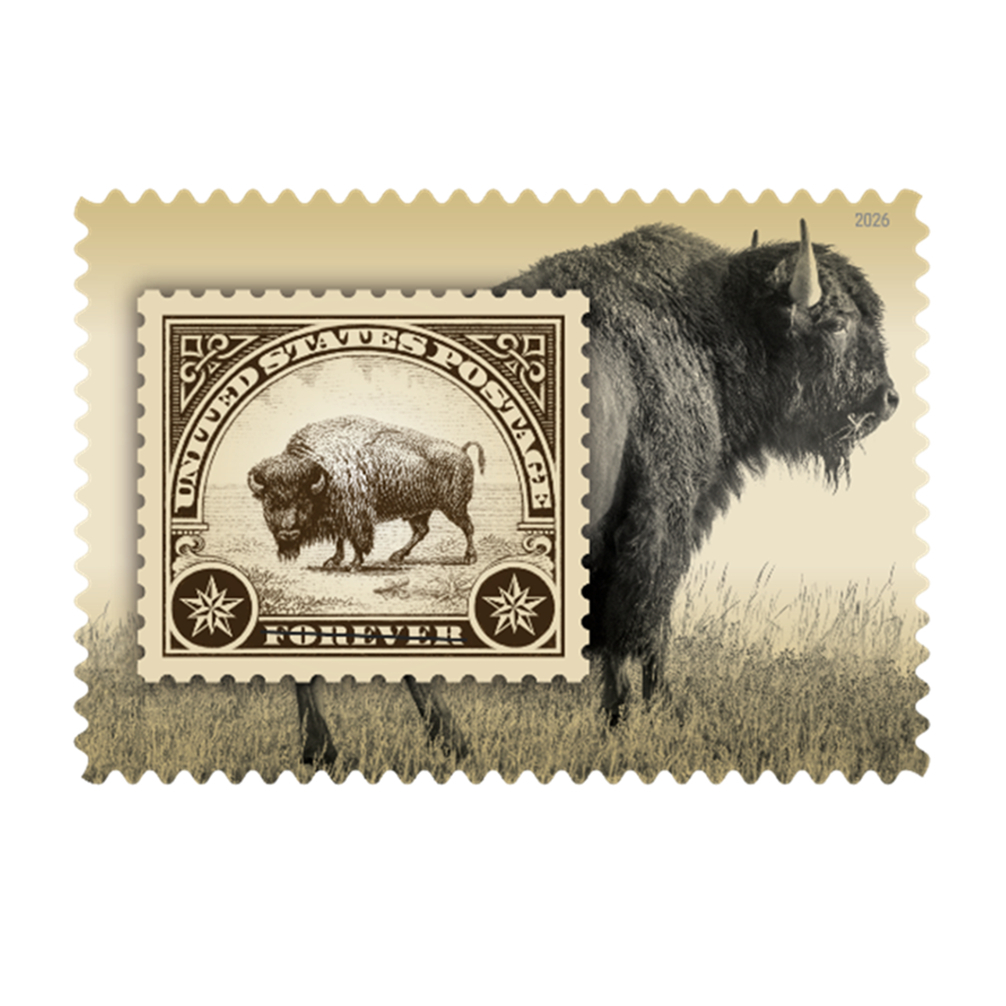
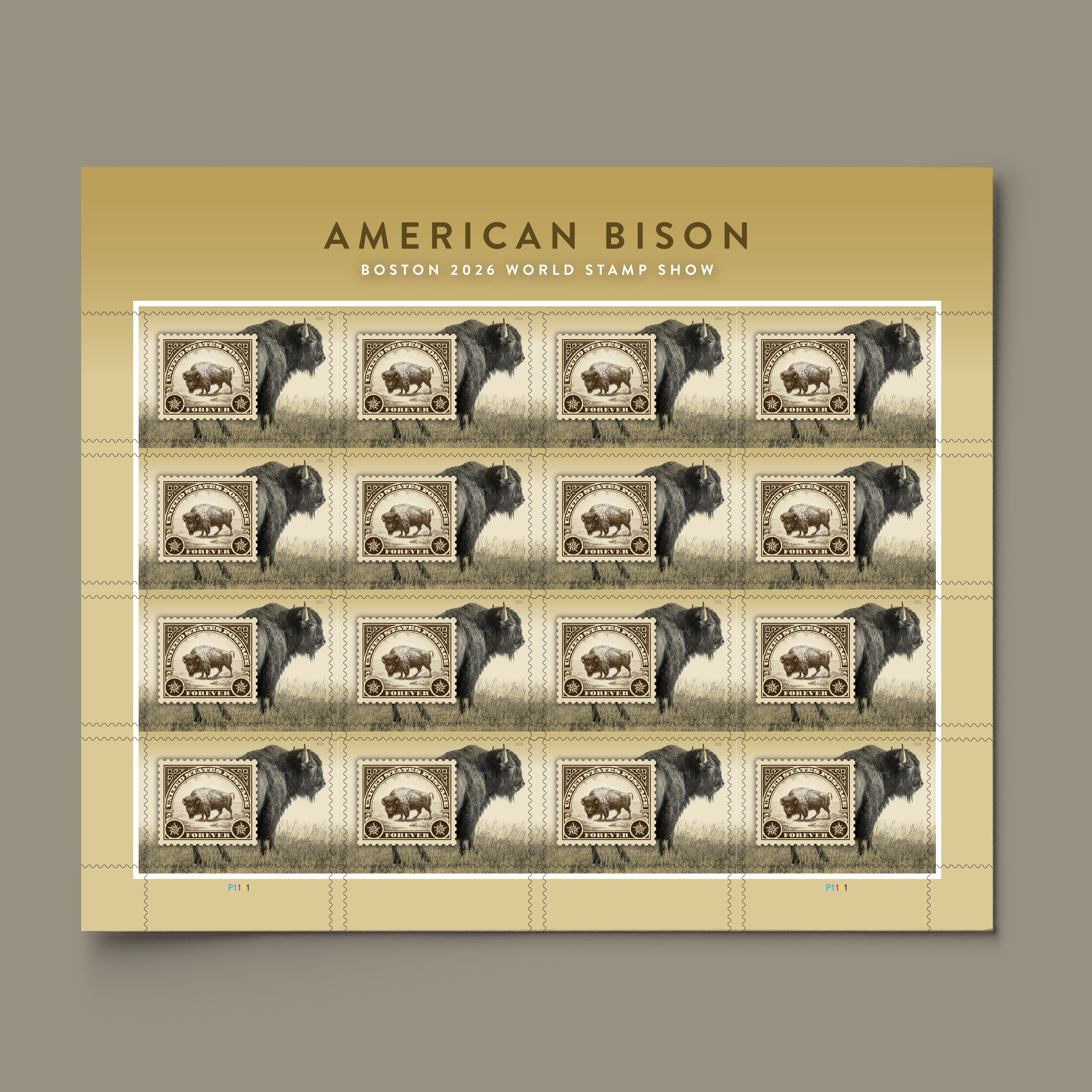
2026 American Bison First-Class Forever Stamp
$7.99 USD $14.30 USD